 Written from a psychology perspective, for anyone who has ever looked at the world and felt like it wasn't quite real.
Quick Answer
You may be experiencing derealization if the world around you feels unreal, foggy, distant, flat, or like you're watching it through glass or a movie screen, while you still know, at some level, that it's only a feeling. It often shows up during intense stress, anxiety, panic, trauma, or exhaustion, and it is common and usually temporary. If it is frequent, lasts for weeks, or disrupts daily life, see a doctor or mental health professional for evaluation, since other medical and psychological conditions can look similar.
Adrian was standing in line at a coffee shop when the room went strange.
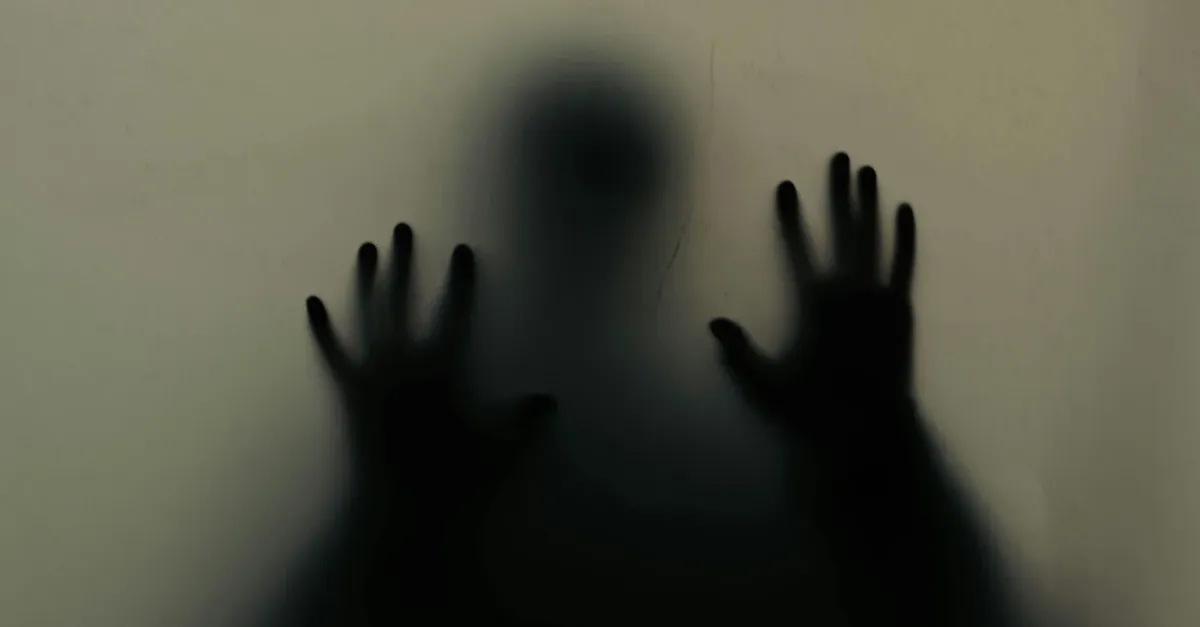
Nothing had happened. The barista was calling out a name, a toddler was whining near the pastry case, and somebody's phone was buzzing on the counter. But all of it seemed to be happening behind a pane of glass. The colors looked slightly too flat, like a movie filmed in daylight. The voices sounded far away. His own hands, holding his wallet, looked like props.
He told himself to snap out of it. He couldn't. For the next twenty minutes he walked to his car in a kind of dream, thinking the quiet, terrifying thought that so many people with this experience think: Am I losing my mind?
He wasn't. But nobody had ever told him there was a name for what he was feeling. If you've had a moment like this, once or every day, here's how to tell if you have derealization, what it means, and what helps.
What Is Derealization?
Derealization is a dissociative experience in which the outside world feels unreal, distant, or distorted. The key feature is that your sense of reality stays intact. You know the world is real, but it doesn't feel real, and that gap is what makes it so unsettling.
It's far more common than most people realize. The DSM-5 notes that brief episodes of depersonalization or derealization happen to roughly half of adults at some point, often during stress, fatigue, or a frightening event. A much smaller group, estimated at around 1 to 2 percent of people, live with a persistent pattern that meets criteria for depersonalization/derealization disorder.
Many clinicians see it as a protective response. When the mind is overwhelmed, it can create emotional distance to cope, a bit like a circuit breaker tripping to prevent a surge. Helpful in the short term, frightening when it lingers.
"The body keeps the score."
How to Tell If You Have Derealization: Common Signs
People describe derealization in many ways. You might notice several of these:
- The world looks like a dream or a movie. Surroundings feel flat, artificial, or staged.
- A glass wall or fog between you and everything. You feel cut off, even in familiar places.
- Distorted perception. Things look blurry, too sharp, oddly colorless, or strangely far away or close.
- Muffled or distant sounds. Voices may seem echoey or far off.
- Warped time. It speeds up, slows down, or feels disconnected.
- Familiar people or places feel unfamiliar. A room you know well may seem strange or "off."
- Emotional numbness. You observe things without feeling much about them.
- Fear that you're going crazy. Paradoxically, this fear is a sign your reality testing is intact.
Many people also feel detached from themselves, as though they're watching their own life from outside their body. That's called depersonalization, and the two often travel together. If you're not sure which one you're experiencing, this guide to derealization vs depersonalization breaks down the difference clearly.
A Quick Self-Check
This isn't a diagnosis, but these questions can help you describe your experience to a professional:
- Do my surroundings sometimes feel unreal, foggy, or like I'm watching them through glass?
- Do I still know, underneath, that the feeling is a feeling and the world is real?
- Does it come on during stress, anxiety, panic, or poor sleep?
- Does it come and go, or has it become constant?
- Is it getting in the way of work, school, relationships, or daily life?
- Is it causing me significant distress or fear?
If you answered yes to the first two and the rest describe your life lately, derealization is a real possibility worth discussing with a clinician.
What Causes Derealization?
Derealization is a symptom, not a single illness, and it has many possible triggers:
- Anxiety and panic attacks. One of the most common causes. It often appears mid-panic or after a stressful stretch.
- Trauma. Dissociation is a well-known protective response to overwhelming experiences, including childhood adversity.
- Chronic stress and burnout. A nervous system under long-term strain may "check out."
- Depression. Emotional numbness can blur into detachment from the world.
- Sleep deprivation and exhaustion.
- Substances. Cannabis, hallucinogens, ketamine, and some other drugs can trigger or worsen episodes, and so can withdrawal from certain substances.
- Medical conditions. Migraines, seizure disorders (especially temporal lobe epilepsy), head injuries, and some neurological or thyroid problems can produce similar sensations.
Because the causes vary so much, a proper evaluation matters more than guessing.
Derealization vs. Psychosis: What's the Difference?
This is the question most frightened people are really asking. The core difference is insight. In derealization, you know the unreal feeling is a problem of perception. In psychosis, a person may truly believe in things that aren't real, like hallucinations or delusions, and usually lacks that awareness. Derealization is not a sign that you're "going insane." That said, if you're ever unsure, or you're experiencing things like hearing voices or strong paranoid beliefs, seek professional help promptly.
When to See a Doctor or Mental Health Professional
Occasional, brief derealization during a stressful week usually isn't cause for alarm. But get evaluated if:
- Episodes are frequent, long-lasting, or constant
- It started suddenly with no clear stressor, or after a head injury
- It comes with severe headaches, vision changes, loss of consciousness, or unusual movements
- It affects your work, relationships, or ability to function
- It began after drug use, or you're using substances to cope
- You have a history of trauma that feels unresolved
- You feel hopeless, or you've thought about hurting yourself
A medical check is often the right first step to rule out physical causes. A mental health professional can then assess for anxiety, trauma-related conditions, depression, or dissociative disorders. Psychotherapy, especially cognitive behavioral therapy (CBT) and trauma-informed approaches, is considered the main treatment, and treating an underlying condition like anxiety or depression often eases derealization too. Any medication decision belongs with a qualified clinician.
7 Ways to Cope When Derealization Hits
1. Remind Yourself What It Is
Say it plainly: "This is derealization. It feels strange, but it's not dangerous, and it will pass." Fear of the feeling often makes it stronger, so naming it takes away much of its power.
2. Ground Yourself Through Your Senses
Strong sensory input pulls you back into the present. Hold an ice cube, splash cool water on your face, press your feet into the floor, or smell something sharp like peppermint or citrus. Skip cold water if you have a medical reason to avoid sudden temperature changes.
3. Try 5-4-3-2-1
Name five things you can see, four you can touch, three you can hear, two you can smell, and one you can taste. Be specific, like "a gray mug with a chipped handle." Specific noticing keeps your thinking brain engaged.
4. Orient to Time and Place
Say aloud: "My name is ___. Today is ___. I'm in ___, and I'm safe right now." It's simple, and it works especially well when you feel unreal or far away.
5. Lengthen Your Exhale
Breathe in for 4 counts and out for 6 to 8. A longer exhale helps shift your body out of its stress response. If holding or counting breath feels uncomfortable, simply breathe out a little slower than you breathe in.
6. Move Your Body
Walk, stretch, dance in your kitchen, or do a few jumping jacks. Movement reconnects you with physical sensation, which can ease the sense of being detached from your body and surroundings.
7. Protect the Basics
Poor sleep, heavy caffeine, alcohol, and cannabis can all worsen derealization. Steady sleep, regular meals, and fewer stimulants lower the odds of episodes. For a broader look at the everyday habits that support emotional health, see this guide on improving mental health, and this roundup of the best mental health tips can help you build a routine that fits your life.
"You can't stop the waves, but you can learn to surf."
Mistakes That Can Make It Worse
- Constantly checking whether you feel real. Monitoring the feeling tends to keep it going.
- Endless Googling of symptoms. It rarely brings certainty and often adds fear.
- Avoiding places where it happened. Avoidance shrinks your world and strengthens fear.
- Using substances to "snap out of it." It often backfires and can deepen the problem.
- Judging yourself. Being hard on yourself adds a second layer of distress.
If You're in Crisis
If you're having thoughts of harming yourself or ending your life, those thoughts are a sign of deep pain, not a verdict on your future, and they can change with support. You deserve help right now.
- In the U.S., call or text 988 (Suicide & Crisis Lifeline), available 24/7.
- Text HOME to 741741 to reach the Crisis Text Line.
- If you're in immediate danger, call 911 or go to the nearest emergency room.
- Outside the U.S., contact your local emergency number or crisis line.
Frequently Asked Questions
How do I know if I have derealization?
The hallmark is feeling that the world is unreal, foggy, dreamlike, or distant while still knowing it's real. If this happens repeatedly or disrupts your life, a clinician can confirm and look for causes.
Is derealization dangerous?
Derealization itself isn't dangerous. It's a distressing but common experience. What matters is checking for underlying causes such as anxiety, trauma, or medical conditions.
How long does derealization last?
Episodes can last minutes, hours, or days. For some people it becomes persistent, which is when professional treatment is especially helpful.
Can anxiety cause derealization?
Yes. Anxiety and panic are among the most common triggers. Treating anxiety often reduces derealization.
What's the difference between derealization and depersonalization?
Derealization is feeling that the outside world is unreal. Depersonalization is feeling detached from yourself, your body, or your thoughts. They often occur together.
Can derealization go away on its own?
Brief episodes often fade as stress eases. Persistent derealization usually improves with therapy and by addressing underlying causes.
Does derealization mean I'm going crazy?
No. Staying aware that the feeling is a feeling is exactly what separates derealization from psychosis.
Back to the Coffee Shop
Adrian did what many people eventually do. He told a doctor. His physical exam was clear, and a therapist helped him connect the dots: months of overwork, almost no sleep, and a panic attack he'd never named. Putting a word to the experience changed it. "It was like someone finally turned on the lights," he said. "The feeling didn't vanish, but it stopped being a mystery."
He learned to ground himself when the glass wall appeared. He cut back on caffeine, started sleeping on a schedule, and kept seeing his therapist every other week. The episodes got shorter, then rarer. And the fear of them faded faster than the symptoms did.
"Nothing in life is to be feared, it is only to be understood."
If the world has felt unreal lately, you're not broken, and you're not alone. Your mind has been working hard to protect you, and it can learn that you're safe. Start with one small step today: a few slow breaths, a glass of water, or a call to book an appointment. And if it's a strange, foggy day, be gentle with yourself. This feeling is real, it has a name, and it can get better.