 Written from a psychology perspective, for anyone who is tired of being tired from worrying.
Nora had a system for hiding it.
At thirty-one, she was a project manager who color-coded her to-do lists and always arrived five minutes early. Nobody at work knew she spent her lunch breaks in her car, rehearsing the afternoon's conversations in her head, or that on Sunday nights a heavy, humming dread settled into her chest. She called it "the visitor."
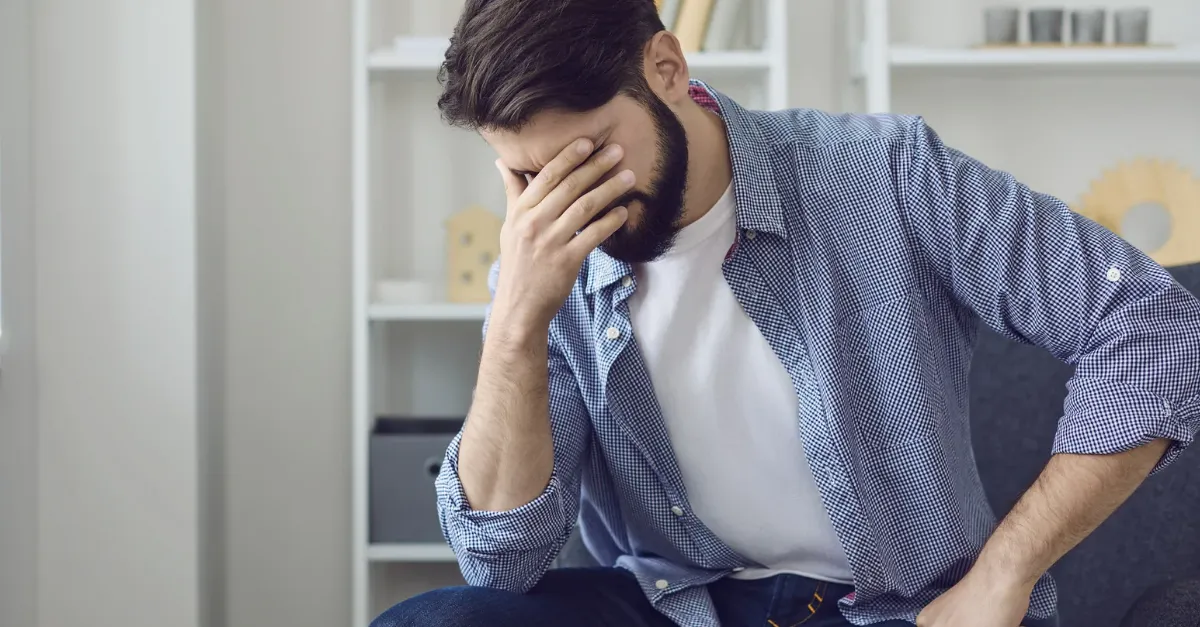
The night it cracked was almost embarrassingly ordinary. She was standing in her kitchen with the fridge door open, trying to decide what to make for dinner, and she couldn't. She just started to cry. Not because anything terrible had happened, but because years of bracing for things that hadn't happened had finally sent her the bill.
The next week, she made an appointment with a therapist. And she learned something that changed everything: anxiety isn't a flaw you have to hide. It's a pattern, and patterns can be unlearned. Here are the anxiety coping strategies we most often teach in clinical practice.
What Anxiety Really Is
Anxiety is an alarm system. When your brain detects a possible threat, it prepares you to fight, flee, or freeze. The trouble starts when the alarm goes off too often, or for the wrong reasons, like an unanswered text or a vague "what if."
You're far from alone. The National Institute of Mental Health reports that anxiety disorders affect roughly one in five U.S. adults each year, and many of them look completely fine from the outside.
"You can't stop the waves, but you can learn to surf."
That's the goal here. Not eliminating anxiety, but changing your relationship with it.
10 Anxiety Coping Strategies That Actually Work
1. Lengthen Your Exhale
Breathing out longer than you breathe in activates your body's natural braking system. Try in for 4 counts, out for 6 to 8, for two to five minutes.
2. Ground Yourself in the Present
Anxiety pulls you into the future. Try the 5-4-3-2-1 method: name five things you see, four you can touch, three you hear, two you smell, and one you taste. For more options, this guide to grounding techniques for anxiety has plenty you can use in under a minute.
3. Move Your Body
Exercise burns off stress hormones and improves sleep. A brisk 20-minute walk counts. The best exercise is the one you'll actually do.
4. Protect Your Sleep
Poor sleep makes the emotional brain more reactive. Keep a consistent wake time, dim screens an hour before bed, and write your worries down earlier in the evening so they stay on the page.
5. Check Your Caffeine and Alcohol
Caffeine can mimic anxiety's physical symptoms, and alcohol often causes rebound anxiety the next day. Try cutting caffeine off by noon and notice what changes.
6. Name It to Tame It
Putting a precise word on a feeling can reduce its intensity. Try: "I'm noticing anxiety. It's showing up as tightness in my chest and a lot of what-ifs."
7. Question the Story
Anxious minds tell worst-case stories. Ask: What's the evidence for this thought? What's the most likely outcome? What would I say to a friend? You're not trying to be positive. You're trying to be accurate, which is almost always kinder.
8. Schedule Your Worry
Set aside fifteen minutes in the late afternoon as your official worry time. When worries pop up at other hours, tell yourself, "I'll deal with that at 4 p.m." It teaches your brain that worry has a place, and bedtime isn't it.
9. Face Fears in Small Steps
Avoidance is anxiety's favorite fuel. Start with the easiest version of what scares you and work up gradually. Each step teaches your brain, "I can handle this." This works best with a therapist's support. To build a calmer baseline too, these stress management techniques are easy to fit into a busy week.
10. Reach Out for Support
Anxiety thrives in silence and shrinks in connection. Talk to someone you trust, or see a licensed therapist. For a wider view of everyday habits that support emotional health, this guide on improving mental health is a good next step.
What to Do During a Panic Attack
A panic attack can feel like you're dying, but it's almost always harmless and typically peaks within about ten minutes. Remind yourself, "This is panic, and it will pass." Plant your feet, lengthen your exhale, pick one grounding technique, and let the wave pass instead of fighting it. If panic is new or comes with chest pain or fainting, see a doctor first. To go deeper, read this resource on anxiety and panic attacks.
Habits That Backfire
Constant avoidance, reassurance-seeking, using alcohol to calm down, endless symptom Googling, and harsh self-criticism all bring short-term relief but keep anxiety alive. If you recognize yourself here, be gentle. These habits once felt like protection, and you can swap them out slowly.
When to Get Professional Help
Consider talking to a licensed mental health professional if anxiety is present most days for several weeks, interferes with work, sleep, or relationships, keeps you avoiding things, or leads you to rely on alcohol or other substances. Therapies like CBT, exposure-based therapy, and ACT have strong evidence, and many people feel significantly better with the right support.
If You're in Crisis
If you're having thoughts of harming yourself or ending your life, those thoughts are a sign of deep pain, not a verdict on your future. You deserve help right now.
- In the U.S., call or text 988 (Suicide & Crisis Lifeline), available 24/7.
- Text HOME to 741741 to reach the Crisis Text Line.
- If you're in immediate danger, call 911 or go to the nearest emergency room.
- Outside the U.S., contact your local emergency number or crisis line.
Frequently Asked Questions
What are the best anxiety coping strategies?
Slow breathing, grounding, regular exercise, consistent sleep, challenging anxious thoughts, and talking to someone you trust. The best one is the one you'll actually use.
How can I calm anxiety quickly?
Lengthen your exhale, press your feet into the floor, hold something cold, or name five things you can see. Many people feel relief within a few minutes.
Can anxiety go away on its own?
Mild, situational anxiety often fades when the stress passes. Persistent anxiety usually improves faster with active coping skills and, when needed, professional treatment.
When should I see a therapist for anxiety?
If it lasts more than a few weeks, interferes with daily life, or comes with panic attacks, avoidance, or hopelessness. Earlier is easier than later.
Back to Nora
It's been about a year since the night in the kitchen. The visitor still shows up some Sunday nights, but Nora knows his name now, and she knows what to do. She lengthens her exhale, names what she's feeling, and texts her sister instead of hiding in her car.
"I used to think coping meant getting rid of the anxiety," she said recently. "Now I think it means I get to be anxious and still live my life."
"Nothing in life is to be feared, it is only to be understood."
You don't need all ten strategies this week. Pick one, maybe the longer exhale or the text to a friend you've been avoiding, and start there. And if today is a hard day, be gentle with yourself. You're not failing. Tomorrow you get to try again.