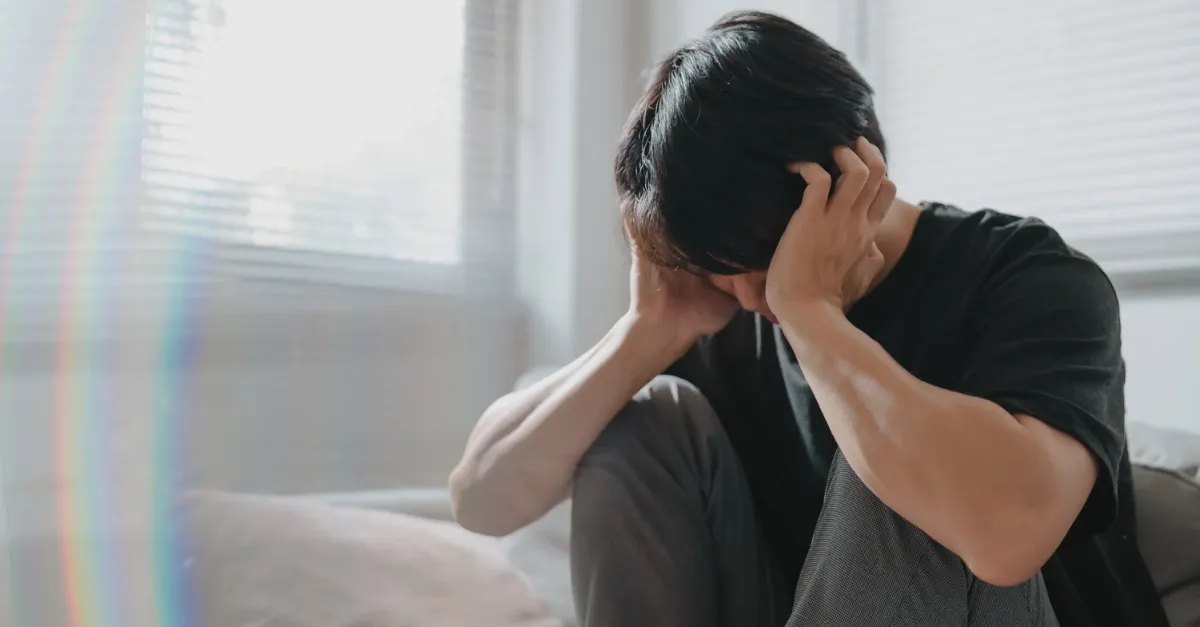
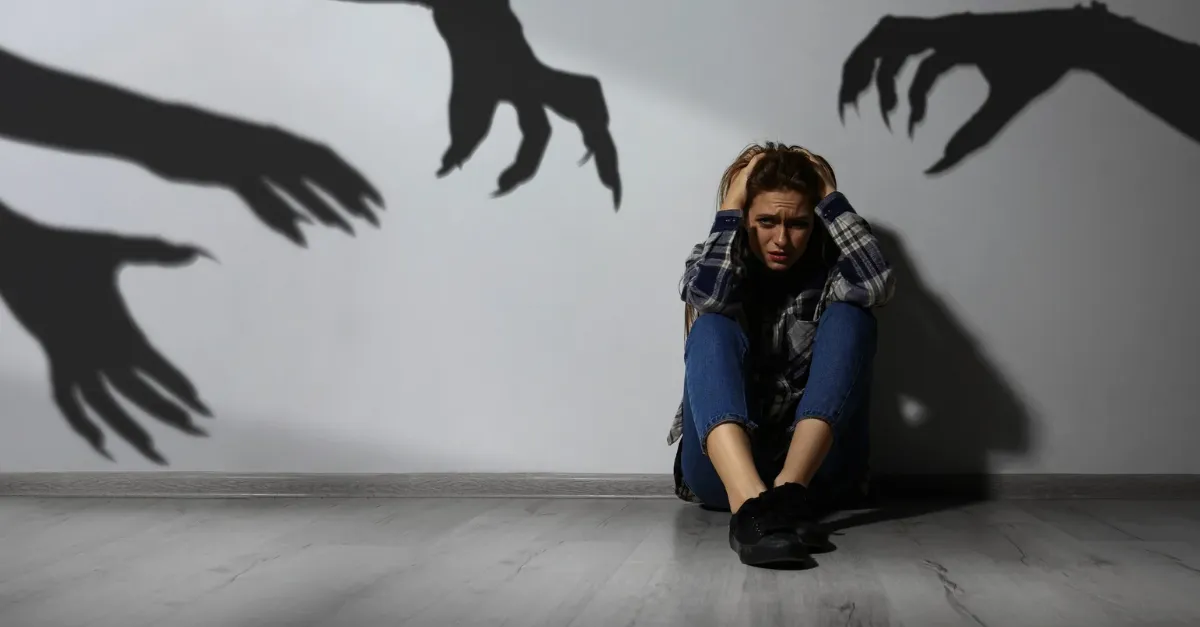
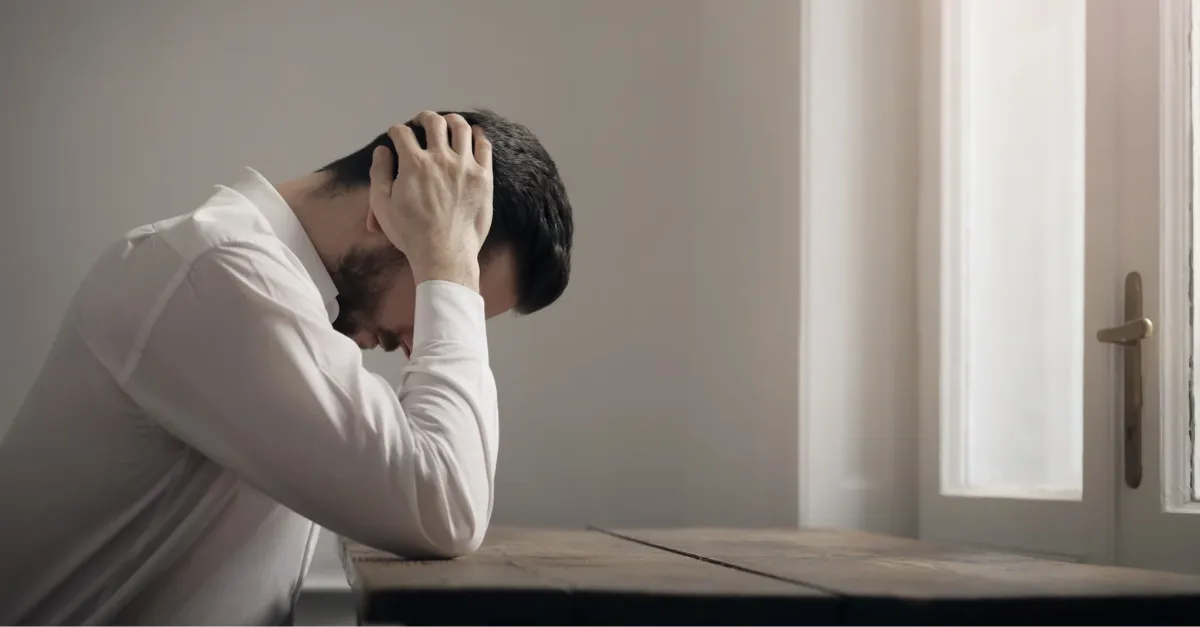
 The fluorescent lights of the grocery store aisle hummed a quiet, maddening electric tune just above your head. You stood frozen with a carton of eggs in your hand, watching the world move in a blurred, dizzying rush around you. Without a single warning, a sudden, searing wave of heat rushed up from the base of your spine, locked tightly around your throat, and made every breath feel impossibly shallow. Your heart slammed against your ribs like a trapped bird beating its wings in panic, while a cold, absolute dread whispered the most terrifying lie directly into your mind: "This is it. You are dying right here, and no one is going to help you."
You dropped the basket, abandoned your cart right where it stood, and bolted out the sliding glass doors into the parking lot. Leaning against the cold metal door of your car, chest heaving and hands trembling uncontrollably, you squeezed your eyes shut and tried desperately to catch your breath. To anyone driving past, you looked like someone having a normal afternoon. But inside your nervous system, you were fighting a silent, catastrophic war. When you finally unlocked your front door and collapsed onto the living room floor in total exhaustion, you were left staring into the empty dark with a haunting, exhausting question: "Why does my own body treat me like an enemy? What is happening when anxiety and panic attacks take over my life?"
If you know the terrifying, all-consuming wilderness of acute panic, you need to hear a vital clinical truth right before we go any further: you are not losing your mind, you are not weak, and you are not permanently broken. What you are experiencing is a profound biological survival alarm gone haywire. As clinicians, psychiatrists, and mental health writers who sit across from individuals experiencing this exact pain every single week, we know how deeply lonely it feels. But understanding the mechanics of anxiety and panic is the single most powerful step toward turning down the internal alarm, restoring your nervous system, and reclaiming the safety of your own skin.
1. The Anatomy of Terror: What Happens During Panic?
To heal from acute panic, we must first demystify what is happening beneath the surface of your biology. In clinical terms, a panic attack is an abrupt surge of intense fear or acute discomfort that reaches a peak within minutes, accompanied by powerful physical symptoms.
When your brain's emotional command center—the amygdala—misinterprets an internal thought, a physical sensation, or a mild stressor as a life-or-death threat, it instantly hijacks your autonomic nervous system. It floods your bloodstream with a massive cocktail of adrenaline and cortisol:
- Your heart rate spikes to pump oxygen rapidly to your major muscle groups for fighting or fleeing.
- Your airways dilate, frequently causing hyperventilation, chest tightness, and a suffocating sensation of "air hunger."
- Blood rushes away from your digestive tract, triggering sudden nausea, cramping, or dizziness.
- Your perceptual awareness narrows drastically, making your environment feel unreal, detached, or dreamlike (derealization).
These intense physical manifestations are often what drive people to the emergency room, convinced they are experiencing a cardiac event. Recognizing the diverse physical, emotional, and cognitive patterns associated with these episodes is crucial. If you are trying to map out how these warning signs manifest across your day, reviewing our detailed breakdown of symptoms of anxiety offers comprehensive clinical clarity.
"Panic is not a sign of weakness; it is the price of trying to stay strong for too long in an unsafe environment. Your body is not turning against you—it is fighting desperately to protect you using outdated survival software."
— Dr. Bessel van der Kolk, Psychiatrist & Author of The Body Keeps the Score
2. When Night Falls: The Agony of Nocturnal Panic
Perhaps one of the most terrifying manifestations of this condition occurs when the sun goes down and the world finally falls quiet. While daytime panic attacks have environmental anchors—busy streets, work deadlines, social settings—nocturnal panic attacks strike directly out of deep sleep.
Imagine waking up gasping for air, heart racing at 140 beats per minute, drenched in cold sweat, with zero conscious anxious thoughts preceding it. This happens because your brain monitors your internal environment even while you sleep; a subtle drop in blood sugar, a mild shift in carbon dioxide levels, or unprocessed daily stress can trigger the amygdala to sound the alarm while your rational prefrontal cortex is still offline. For those navigating these frightening late-night awakenings, understanding the underlying triggers and coping mechanisms outlined in our guide on nocturnal panic attacks can transform your relationship with nighttime rest.
3. The Exhausting Trap of Anticipatory Dread
Once you experience a severe panic attack, a secondary psychological condition frequently takes root: **anticipatory anxiety**. This is the persistent, exhausting fear of *when* the next attack will strike.
You begin modifying your entire existence around this invisible threat. You stop traveling far from home, avoid driving on highways, check for emergency exits everywhere you go, and constantly scan your physical body for any racing pulse or tight breath. This constant self-surveillance keeps your nervous system trapped in a state of chronic, unremitting red alert. Breaking out of this cage requires structured, evidence-based psychological tools that retrain your brain to stop fearing its own internal sensations.
The Clinical Pillars of Recovery:
• Interoceptive Desensitization: Deliberately welcoming safe physical sensations so the brain stops viewing them as fatal threats.
• Cognitive Restructuring: Dismantling catastrophic thoughts (e.g., "I am having a heart attack") with objective medical truth.
• Somatic Regulation: Using breathwork and physiological sighs to instantly disengage the sympathetic fight-or-flight response.
• Consistent Baseline Care: Rebuilding physical resilience through sleep hygiene, balanced nutrition, and gentle pacing.
One of the most scientifically validated methodologies for dismantling these destructive cognitive loops is cognitive behavioral therapy for anxiety, which teaches you how to systematically intercept automatic negative thoughts before they escalate into full-blown panic.
4. A 5-Step Clinical Blueprint: Managing Anxiety and Panic
Healing from chronic panic does not happen overnight, nor does it happen by trying to bully or shame yourself into being calm. It requires patience, structural lifestyle changes, and compassionate self-advocacy. Implement this clinical framework to navigate your healing journey:
Step 1: Radically Accept the Wave Instead of Fighting It
The cardinal rule of panic is this: **resistance fuels the fire.** When you try to forcefully push away a panic attack, your brain reads that struggle as proof that the danger is real, pumping out more adrenaline. Instead, drop your shoulders, open your palms, and say internally: "This is uncomfortable, but it is just adrenaline. I am safe, and I will let it pass through me."
Step 2: Master Physiological Reset Breathing
When panic hits, override rapid hyperventilation by using targeted physiological sighs: Take one deep inhale through your nose, top it off with a second quick sharp inhale, and then release a long, slow, extended exhale through your mouth. Repeat this three to four times to instantly stimulate your vagus nerve and slow your heart rate.
Step 3: Build Daily Proactive Self-Care Protocols
You cannot wait until you are having a full panic attack to start taking care of your nervous system. Proactive, low-friction daily self-care acts as an emotional shock absorber against daily triggers. To explore practical, sustainable habits that protect your daily energetic baseline, review our expert resource on self-care tips for anxiety.
Step 4: Adopt Comprehensive Long-Term Management Strategies
Managing anxiety requires a holistic lifestyle approach—from regulating caffeine intake and prioritizing consistent physical movement to establishing healthy relational boundaries. To discover a wide-ranging, strategic blueprint for everyday stability, consult our comprehensive guide on ways to manage anxiety.
Step 5: Cultivate Unwavering Self-Compassion
Anxious individuals are often their own harshest critics, feeling deeply frustrated or embarrassed when panic flares up. Treat yourself with the same tender patience you would offer a terrified child. Healing is deeply non-linear, and every step forward—no matter how small—counts as a profound victory.
5. Word-for-Word Scripts for Acute Panic Moments
When panic threatens to overwhelm your cognitive processing in real-time, use these clinically validated, grounding internal scripts to anchor your mind and signal safety back to your body:
- When a sudden physical wave of panic strikes in public:
"This is a physiological adrenaline rush. It feels terrifying, but it has a biological peak and it will subside in minutes. I am safe right here." - When waking up in a nocturnal panic surge at 3:00 AM:
"My body woke up in alarm mode, but there is no actual emergency in this room. I am wrapped in blankets, I am breathing, and this wave will pass." - When anticipatory dread tries to stop you from leaving the house:
"Even if I feel anxious while I'm out, discomfort is not danger. I am strong enough to experience physical sensations without letting them dictate my life."
Reclaiming Your Life from the Shadows of Fear
Navigating the complex world of **anxiety and panic attacks** is one of the bravest trials a human being can undertake. It demands that you look directly at your deepest fears, drop your protective armor, and learn to rebuild a trusting, gentle relationship with your own physical body.
Remember that the presence of panic does not define your worth or limit your future. Every single time you ride out a wave without running, every time you choose self-compassion over self-judgment, you are rewiring your neural architecture for profound peace. Take a slow, deep breath, drop your shoulders away from your ears, unclench your jaw, and give yourself full permission to step forward into your light. You are safe, you are resilient, and you possess every tool required to reclaim your life.