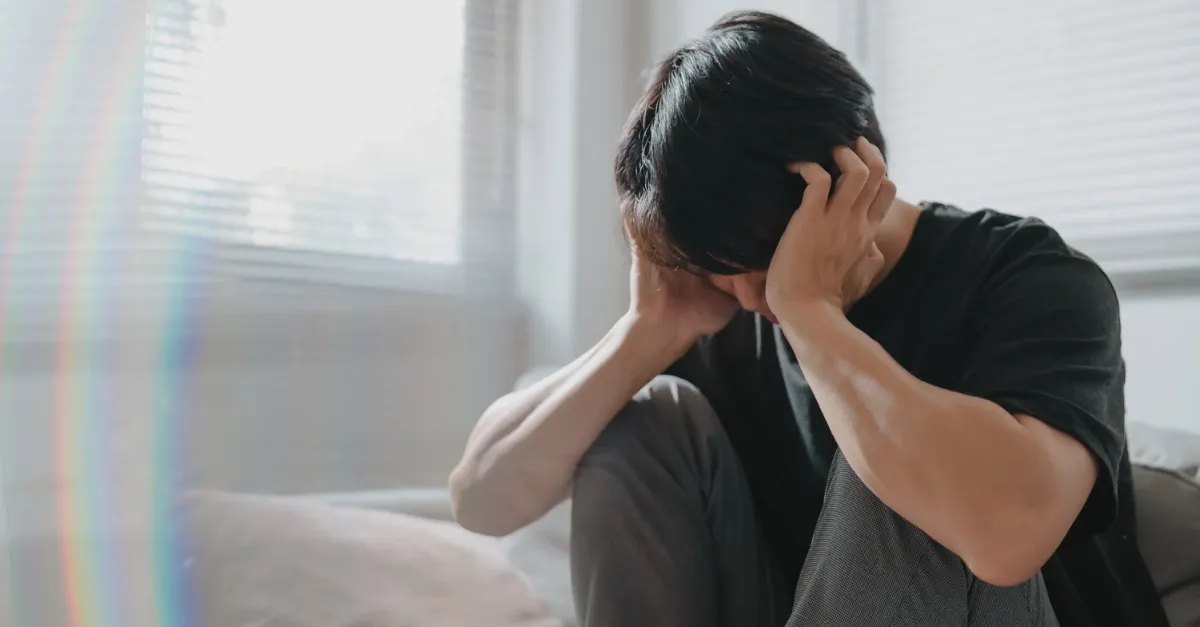
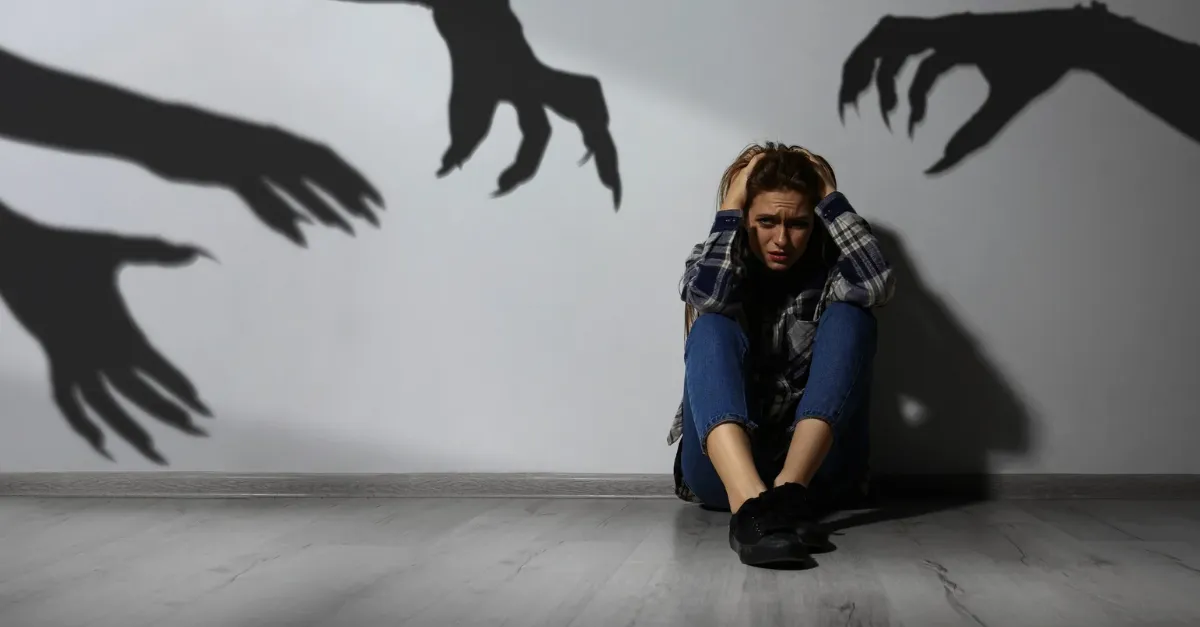
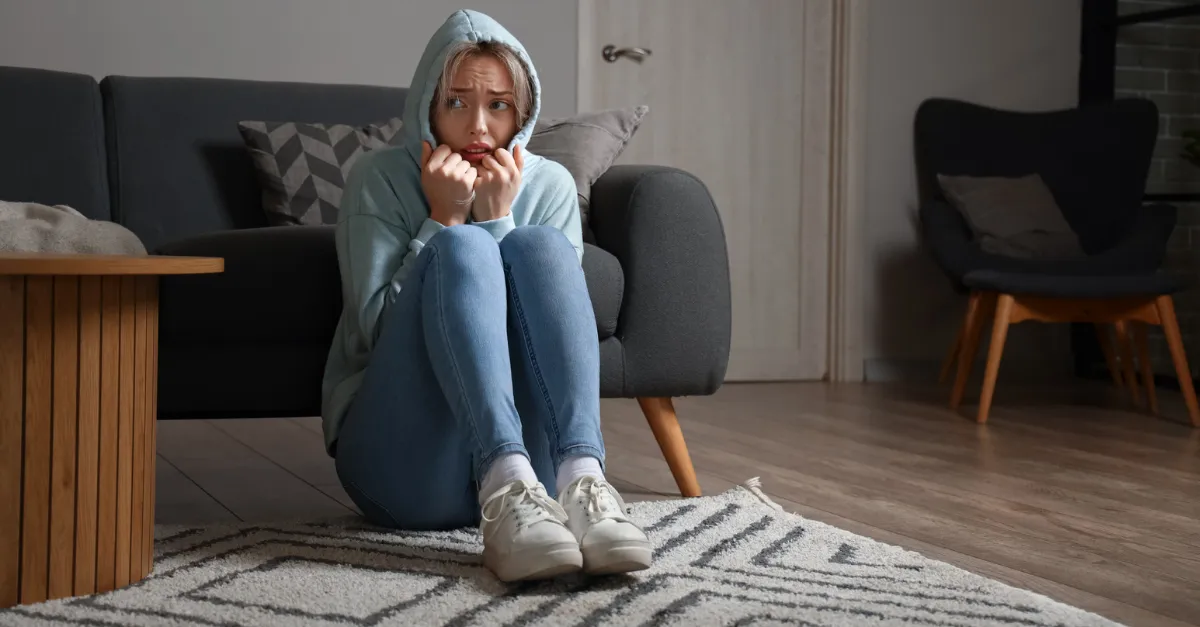
 It was 2:47 AM when you jolted upright in the pitch-black quiet of your bedroom, your heart hammering against your ribs like a trapped bird trying to shatter its cage. There was no screeching alarm, no lingering nightmare, and no sudden noise outside your window to explain it. One second you were peacefully asleep, submerged in the soft silence of the night, and the next, a wave of cold, primal terror flooded every nerve ending in your body.
Your chest felt as though a heavy iron weight had been dropped onto it, making each gasp for air feel thin, shallow, and utterly useless. Sweat slicked the back of your neck as a chilling thought tore through your racing mind: "Am I having a heart attack right now? Am I suffocating in the dark?" You swung your legs off the mattress, sitting on the edge of the bed in the cold night air, trembling violently, staring at the digital clock on your nightstand as the seconds ticked by with agonizing slowness. In that terrifying isolation, while the rest of the world slept peacefully, you felt utterly helpless, wondering why your own body had turned against you in the middle of the night.
If you have ever woken up in the grip of a midnight terror episode, desperately searching for answers about **nocturnal panic attacks**, please hear this clinical truth right away: you are not going crazy, your heart is not failing you, and you are not alone in this frightening experience. Nighttime panic attacks are a deeply jarring biological phenomenon, but they are entirely manageable once you understand what is happening inside your nervous system and equip yourself with the right evidence-based tools to soothe your body back to safety.
1. What Are Nocturnal Panic Attacks? The Midnight Surge Explained
Unlike daytime panic attacks, which are often triggered by conscious stressors, difficult conversations, crowded spaces, or overstimulating environments, nocturnal panic attacks strike without any obvious psychological trigger while you are asleep. They typically occur during the transition between non-REM sleep stages (usually Stage 2 and Stage 3), when your body is supposedly in its most relaxed state.
A. The Misinterpretation of Physical Transitions
As your body drifts into deep sleep, your breathing rate slows down, your heart rate drops, and your muscle tone relaxes. For a nervous system that is already sensitized by chronic daytime stress, your brain's fear center—the amygdala—can mistakenly interpret these natural physiological drops in heart rate or sudden breathing shifts as a sign of impending danger, launching a full-scale fight-or-flight response while you are still semi-unconscious.
B. The Nocturnal Adrenaline Dump
When the amygdala sounds the alarm, your adrenal glands flood your bloodstream with a surge of adrenaline and cortisol. This sudden chemical spike instantly forces you awake, triggering intense physical symptoms: rapid heart palpitations, hyperventilation, chest tightness, dizziness, cold sweats, and a overwhelming feeling of doom before your conscious mind even realizes where you are.
C. The Aftermath: Anticipatory Sleep Anxiety
The most insidious aspect of nighttime panic is what happens the following night. Fear of experiencing another attack creates intense anticipatory anxiety around bedtime. You begin to view your bed not as a sanctuary, but as a battleground, leading to insomnia, delayed sleep, and chronic exhaustion that only further sensitizes your nervous system.
"A nocturnal panic attack is not a sign of emotional weakness or a hidden trauma coming to surface in your sleep; it is simply an overprotective, hyper-vigilant nervous system triggering a false alarm when your body tries to let its guard down."
— Dr. David Carbonell, Clinical Psychologist & Anxiety Specialist
2. Common Causes and Biological Triggers
While nighttime panic can feel completely random, clinical research highlights several underlying physiological and psychological factors that lower your threshold for nocturnal attacks:
1. Chronic Daytime Stress Accumulation: Carrying unaddressed stress, anxiety, or emotional suppression throughout the day means your nervous system enters sleep already near its breaking point.
2. Sleep Disruption and Irregular Schedules: Sleep deprivation, shifting work schedules, or sudden changes in your circadian rhythm sensitize the brain's fear circuits.
3. Hidden Physiological Triggers: Nocturnal hypoglycemia (drops in blood sugar), sleep apnea (temporary breathing interruptions), acid reflux, or caffeine intake close to bedtime can simulate panic sensations in the body during sleep.
4. Hyperventilation During Sleep: Shallow or erratic breathing patterns while lying down can alter carbon dioxide levels in the blood, signaling a suffocation warning to the brain.
Addressing these underlying stressors requires looking at your overall lifestyle. Implementing practical top 10 tips to maintain your mental health throughout your day can significantly lower the baseline tension your body carries into the night.
3. A Step-by-Step Clinical Protocol: What to Do When Waking in Panic
When you wake up in the middle of a panic surge, trying to "force" yourself to calm down or rushing back to sleep immediately often worsens the anxiety. Follow this structured 4-step emergency protocol designed to ground your nervous system:
Step 1: Orient Yourself and Name the Experience
Do not stay lying in the dark with your eyes closed, letting your mind race. Turn on a soft, warm lamp. Sit up, plant both feet flat on the cold floor, and state out loud in a calm voice: "I am having a panic attack. This is an adrenaline surge. It is uncomfortable, but it is not dangerous, and it will pass."
Step 2: Engage the Physiological Sigh to Slow Your Heart Rate
Counteract hyperventilation immediately by taking two quick, consecutive inhales through your nose (one deep inhale followed by a short extra breath to fully expand the lungs), then release a long, slow, audible exhale through your mouth. Repeat this pattern for 90 seconds to manually activate your parasympathetic vagus nerve.
Step 3: Change Your Environment Temporarily
If the panic does not subside after a few minutes, get out of bed. The bed should never become associated with panic and frustration. Move gently to another room, sip a small glass of room-temperature water, or wrap yourself in a warm blanket. Engage in a low-stimulation, calming activity like reading a physical book under dim light until your body's heart rate fully stabilizes.
Step 4: Re-frame Bedtime with Gentle Self-Care
Protecting your evening routine before sleep is essential for preventing future episodes. Incorporating structured self-care tips for mental health—such as dimming screens an hour before bed, taking warm baths, or practicing light stretching—signals to your brain that the environment is genuinely safe for deep sleep.
4. Long-Term Strategies to Stop Nocturnal Panic for Good
Overcoming nighttime panic attacks permanently requires a two-pronged approach: resetting your daytime nervous system and retraining your cognitive responses to anxiety sensations.
A. Retrain Your Brain with Cognitive Behavioral Therapy (CBT)
The gold standard treatment for panic disorder and sleep-related anxiety is structured therapy. Exploring evidence-based techniques like cognitive behavioral therapy for anxiety helps you identify and dismantle catastrophic thought patterns (e.g., "If I panic tonight, I won't be able to function tomorrow") that keep your nervous system trapped in fear.
B. Establish Daytime Nervous System Regulation
You cannot expect your nervous system to be calm at 2:00 AM if it spends the entire day from 8:00 AM to 10:00 PM in overdrive. Incorporating daily mindfulness, breathwork, and routine breaks from stress using practical tips to improve mental wellbeing ensures your body doesn't carry an overflowing cup of cortisol into your bedroom.
5. Word-for-Word Anchoring Scripts for Midnight Panic
When panic strikes in the dark and rational thinking feels impossible, keep these short, grounding scripts written on a note near your bed or repeated gently in your mind:
- When your heart is beating fast and your chest feels tight:
"My heart is strong and healthy. It is pumping adrenaline right now because of a false alarm. I am safe, in my room, and my body knows how to calm itself down." - When you are terrified to go back to sleep:
"Sleep is a natural biological process. I don't have to force it. I will just rest my body comfortably right now, and sleep will come when it is ready." - When catastrophic thoughts take over:
"Feelings are not facts. Just because I feel fear right now does not mean I am in danger. This wave will crest and recede, just like every wave before it."
Reclaiming the Peaceful Silence of the Night
Living with **nocturnal panic attacks** can make you feel vulnerable and exhausted, but it is vital to remember that a panic attack is simply your body's alarm system firing off an overly enthusiastic warning. It is uncomfortable, intense, and distressing—but it is ultimately harmless, and it **will** end.
Be gentle with yourself as you heal. By treating your body with compassion, stabilizing your daytime routines, and applying calm grounding techniques when the midnight waves arrive, you will retrain your nervous system to trust the quiet safety of the night once again.